Publications
Revisiting Silent Coercion
E-Vote-ID 2025, LNCS 16028, pp. 38–54, Springer (2025)
This research paper addresses the problem of "silent coercion" in internet voting systems, where an adversary secretly steals a voter's credentials without their knowledge, making it impossible for the voter to cast their intended vote. The authors propose a new "nullification" protocol that allows voters to invalidate unauthorized ballots cast using their stolen credentials, providing a safety net even when traditional coercion-resistance methods fail. Their approach uses cryptographic techniques to efficiently nullify adversarial votes, offering a complementary protection layer for voters whose secret keys have been compromised.

Survivin Expression in Luminal Breast Cancer and Adjacent Normal Tissue for Immuno-Oncology Applications
International Journal of Molecular Sciences (2023)
This study characterized survivin protein expression across luminal breast cancer subtypes and adjacent normal tissue, confirming that survivin is highly expressed in tumor cells but largely absent in surrounding healthy tissue. The findings support survivin as a safe and selective target for cancer immunotherapy, providing a foundation for developing T cell-based vaccines against breast cancer.
VoteXX: Extreme Coercion Resistance
ACM CCS 2023, Copenhagen, Denmark (2023)
Researchers have developed a new voting system that provides the strongest possible protection against voter coercion, even if an adversary discovers all of a voter's security information. The system allows voters or trusted officials to cancel compromised votes without revealing who took the action, ensuring that no one can be forced to vote against their will. This breakthrough nullification mechanism offers unprecedented security for democratic elections.
Analysis of Well-Annotated Next-Generation Sequencing Data Reveals Increasing Cases of SARS-CoV-2 Reinfection with Omicron
Communications Biology (2023)
Using carefully curated next-generation sequencing data, researchers demonstrated that SARS-CoV-2 reinfections increased dramatically with the emergence of the Omicron variant. The study showed that Omicron's extensive mutations allowed it to evade immunity from prior infection, confirming that surviving an earlier COVID strain did not reliably protect against reinfection with Omicron subvariants.
Survivin (BIRC5) Peptide Vaccine in the 4T1 Murine Mammary Tumor Model: A Potential Neoadjuvant T Cell Immunotherapy for Triple Negative Breast Cancer: A Preliminary Study
Vaccines (2023)
Researchers tested a peptide vaccine targeting survivin, a protein overexpressed in aggressive breast cancers, in a mouse model of triple-negative breast cancer. The vaccine trained killer T cells to attack tumor cells, and when given before surgery it showed potential as a neoadjuvant immunotherapy, suggesting a new treatment strategy for cancers that currently lack targeted therapies.

Paired SARS-CoV-2 Spike Protein Mutations Observed During Ongoing SARS-CoV-2 Viral Transfer from Humans to Minks and Back to Humans
Infection, Genetics and Evolution (2021)
By analyzing genomic data from SARS-CoV-2 outbreaks on mink farms, researchers identified specific pairs of spike protein mutations that co-evolved as the virus jumped between humans and minks. These findings revealed how cross-species transmission accelerates viral evolution and raised important concerns about animal reservoirs generating new variants that could undermine vaccine effectiveness.
A Synthetic Peptide CTL Vaccine Targeting Nucleocapsid Confers Protection from SARS-CoV-2 Challenge in Rhesus Macaques
Vaccines (2021)
A peptide-based COVID-19 vaccine targeting the nucleocapsid protein—rather than the spike protein used in most vaccines—was tested in rhesus macaques and showed strong protection against SARS-CoV-2 infection. The vaccine trained killer T cells to attack virus-infected cells, offering a complementary approach that could remain effective even as the spike protein mutates across new variants.

Anti-IL-6 Versus Anti-IL-6R Blocking Antibodies to Treat Acute Ebola Infection in BALB/c Mice: Potential Implications for Treating Cytokine Release Syndrome
Frontiers in Pharmacology (2020)
This study compared two strategies for blocking the inflammatory molecule IL-6 during acute Ebola infection in mice, finding that targeting the IL-6 receptor (anti-IL-6R) provided better survival outcomes than targeting IL-6 directly. The results have broad implications for treating cytokine release syndrome, the dangerous immune overreaction seen in Ebola, COVID-19, and other severe infections.

An Effective CTL Peptide Vaccine for Ebola Zaire Based on Survivors' CD8+ Targeting of a Particular Nucleocapsid Protein Epitope with Potential Implications for COVID-19 Vaccine Design
Vaccine (2020)
Researchers identified specific immune targets used by Ebola survivors to fight the virus and designed a peptide vaccine that trains killer T cells to recognize these targets. The vaccine showed promising results in animal models, clearing the virus with a single dose, and the approach offers a blueprint for rapid vaccine design against emerging threats like COVID-19.
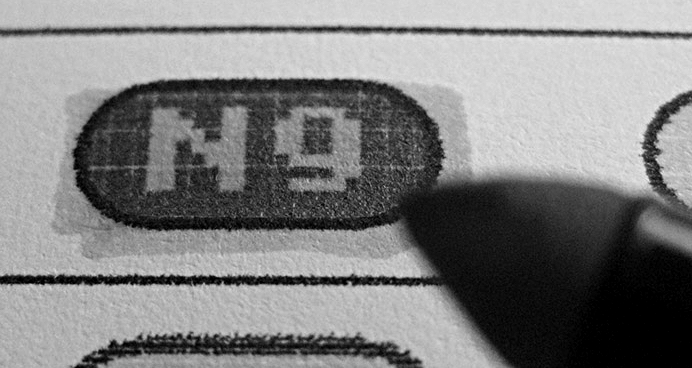
The Scantegrity Voting System and its Use in the Takoma Park Elections
(2016)
This research paper describes the Scantegrity voting system, which combines the familiarity of paper ballots with cryptographic security to allow voters to verify their votes were counted correctly without revealing their choices. It details the system's deployment in Takoma Park, Maryland's 2009 and 2011 elections—the first governmental use of an end-to-end verifiable voting system in the U.S. and the first to use open-source software—along with its design, testing, and real-world performance. The system enables secure, transparent elections by letting voters check if their ballot was recorded accurately while maintaining secrecy, addressing key challenges in modern voting technology.

Scantegrity Responds to Rice Study on Usability of the Scantegrity II Voting System
(2014)
This research paper challenges a Rice University study that claimed the Scantegrity II voting system is difficult to use, arguing the conclusions are unsupported due to flawed experimental design—including mismatched voter instructions and testing a system different from the one successfully used in real elections. The authors assert that the study’s problems stemmed from implementation errors, not the system’s usability, as evidenced by Scantegrity II’s successful deployment in Takoma Park.

Remotegrity: Design and Use of an End-to-End Verifiable Remote Voting System
(2013)
Remotegrity is a secure remote voting system designed to help absentee voters verify their ballots are counted correctly, even if their computer has malicious software or the election authority is corrupt. It uses a hybrid mail-internet approach, allowing voters to detect unauthorized changes to their votes and prove these issues to others without revealing how they voted. The system was successfully deployed in a 2011 municipal election in Takoma Park, Maryland.
Audiotegrity Voting Protocol
(2012)
Here's a 2-3 sentence summary of the research paper for a general audience: Audiotegrity is an electronic voting system designed to allow voters with visual disabilities to cast secret ballots independently and verify their votes were counted correctly, using audio prompts and a keypad. It was deployed in Takoma Park's 2011 municipal election, marking the first public end-to-end verifiable election where blind voters could cast secret ballots without assistance. The system provides voters with unique confirmation numbers after they vote, which can be checked later against a public record to ensure the election outcome matches the votes cast, without revealing how anyone voted.
Scantegrity III: Automatic Trustworthy Receipts, Highlighting Over/Under Votes, and Full Voter Verifiability
(2011)
Here's a concise, accessible summary of the research paper: Scantegrity III is an improved voting system that automatically prints trustworthy receipts for voters to easily verify their selections, highlights ballot errors like over/ or under-votes, and ensures full voter verification without requiring separate audits. Building on lessons from the earlier Scantegrity II system, it addresses key limitations by simplifying the voter experience, enhancing accessibility, and bolstering security through new ballot designs and receipt printers that prevent tampering after voting. This summary focuses on the core innovations (automatic receipts, error highlighting, full verifiability) and their purpose (improving usability, security, and addressing voter feedback) without technical jargon.
ClearVote: An End-to-End Voting System that Distributes Privacy Between Printers
WPES '10: Proceedings of the 9th ACM Workshop on Privacy in the Electronic Society (2010)
ClearVote is a voting system designed to protect voter privacy by spreading trust across multiple independent printers. Instead of relying on a single printer (which could potentially reveal how someone voted), it uses three transparent sheets—each printed by a different entity. Voters stack these sheets, mark their choice, then shred two, keeping one as a receipt. Because no single printer has enough information to determine the vote (two would need to collude), this reduces privacy risks while letting voters verify their ballot was counted correctly.
Engineering Practical End-to-End Verifiable Voting Systems
Ph.D. Dissertation, University of Maryland, Baltimore County (2010)
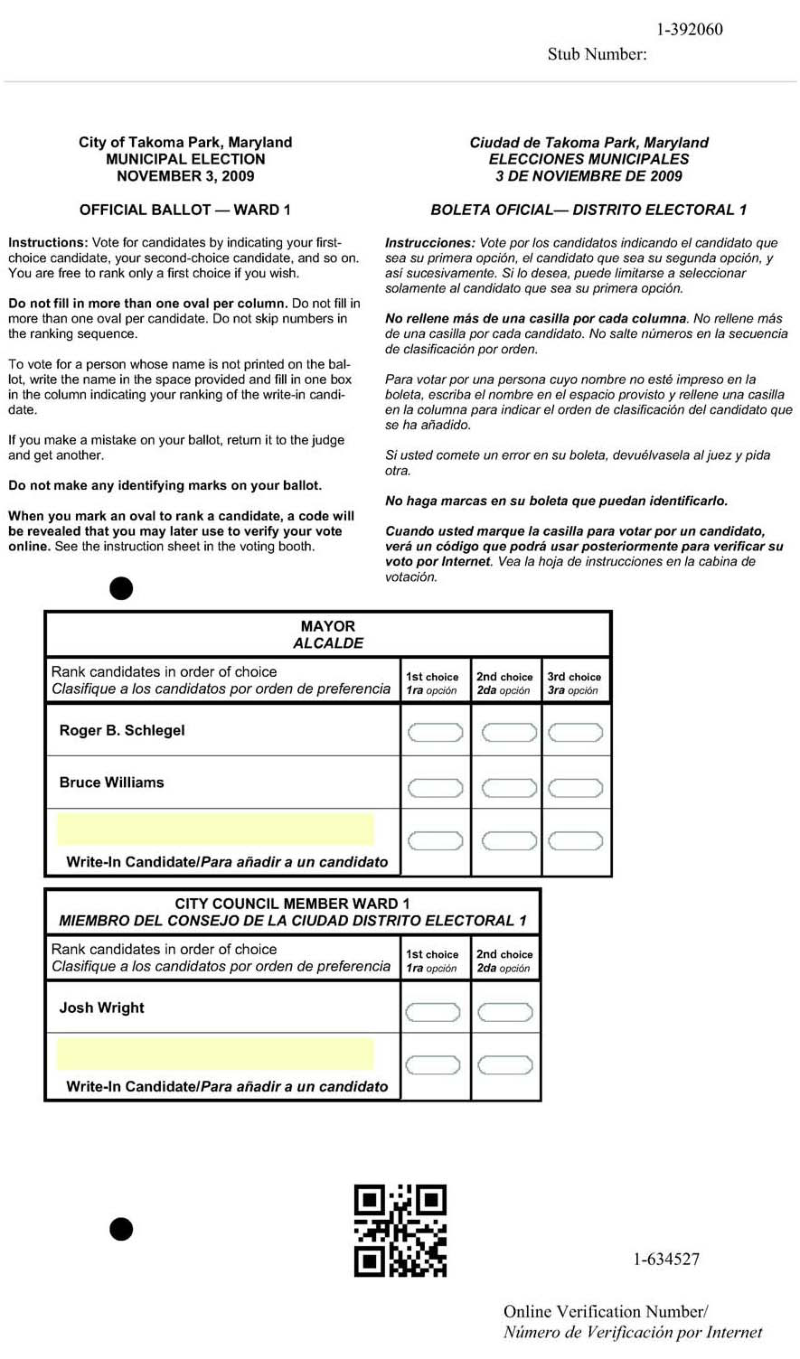
Here's a concise 2-3 sentence summary of the research paper for a general audience: This research developed and tested **Scantegrity**, a voting system that gives voters a privacy-protecting receipt to independently verify their ballot was counted correctly, while also enabling officials to conduct transparent public audits of election results. The system was successfully field-tested in real elections (including Takoma Park, Maryland in 2009), proving its practicality and showing most voters found it positive despite minor usability issues. Key improvements included better printing technology and a tally reconciliation system to enhance reliability and usability. **Key points simplified:** 1. **What it is:** A voting system (Scantegrity) that lets voters check their vote was counted without revealing *who* they voted for. 2. **How it works:** Voters get a special receipt to verify their ballot online; officials can audit results publicly. 3. **Real-world test:** Proven in actual elections, showing it's practical and generally liked by voters. 4. **Improvements made:** Better printing and reconciliation systems to fix issues found during testing.
Exploring Reactions to Scantegrity: Analysis of Survey Data from Takoma Park Voters and Election Judges
(2010)
This research paper analyzes survey responses from voters and election judges in Takoma Park, Maryland, who used the Scantegrity II voting system in the 2009 municipal election—the first government election to use this end-to-end verifiable system with ballot privacy. The study found that most voters and poll workers had favorable opinions of the system and claimed to understand it, with no significant correlation between their responses and demographic factors like age, income, or education. While voters generally appreciated the added security, some procedural issues and confusion about specific features (like the pens and receipts) were noted, highlighting areas for improvement in future implementations.
Scantegrity II Municipal Election at Takoma Park: The First E2E Binding Governmental Election with Ballot Privacy
19th USENIX Security Symposium (2010)
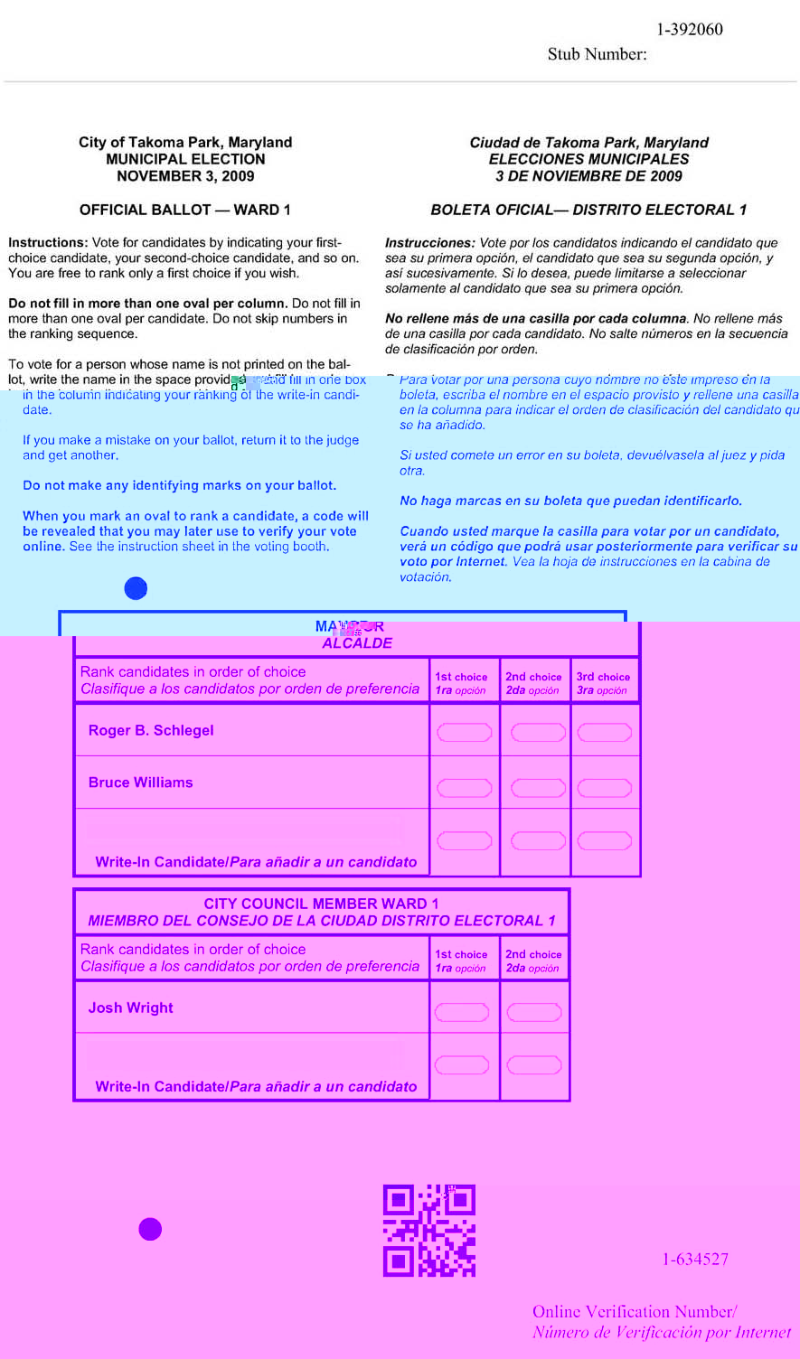
Here's a concise, accessible summary of the research paper: In November 2009, Takoma Park, Maryland became the first city to use the Scantegrity II voting system in a real election, allowing voters to mark paper ballots with pens that revealed hidden confirmation codes for later online verification, while ensuring votes remained secret and preventing tampering. Despite minor technical glitches, the election was successful, demonstrating that this end-to-end verifiable system could be effectively used and accepted by the public, with voters and officials appreciating the added transparency and security.
Scantegrity Mock Election at Takoma Park
EVOTE2010: The 4th International Conference on Electronic Voting (2010)
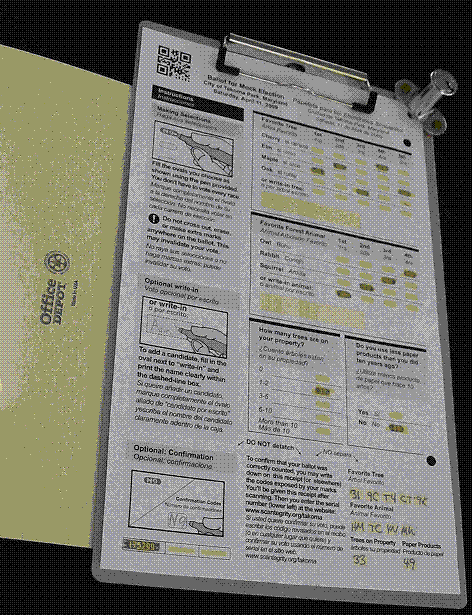
This research paper describes a 2009 mock election in Takoma Park, Maryland, where 95 community members tested the Scantegrity II voting system to prepare for a real municipal election. While the process took longer than expected (about 8 minutes per voter) and some instructions were confusing, voters still expressed confidence in the system, especially after verifying their votes online. The test helped identify areas for improvement, leading to streamlined procedures for the successful binding election later that year.
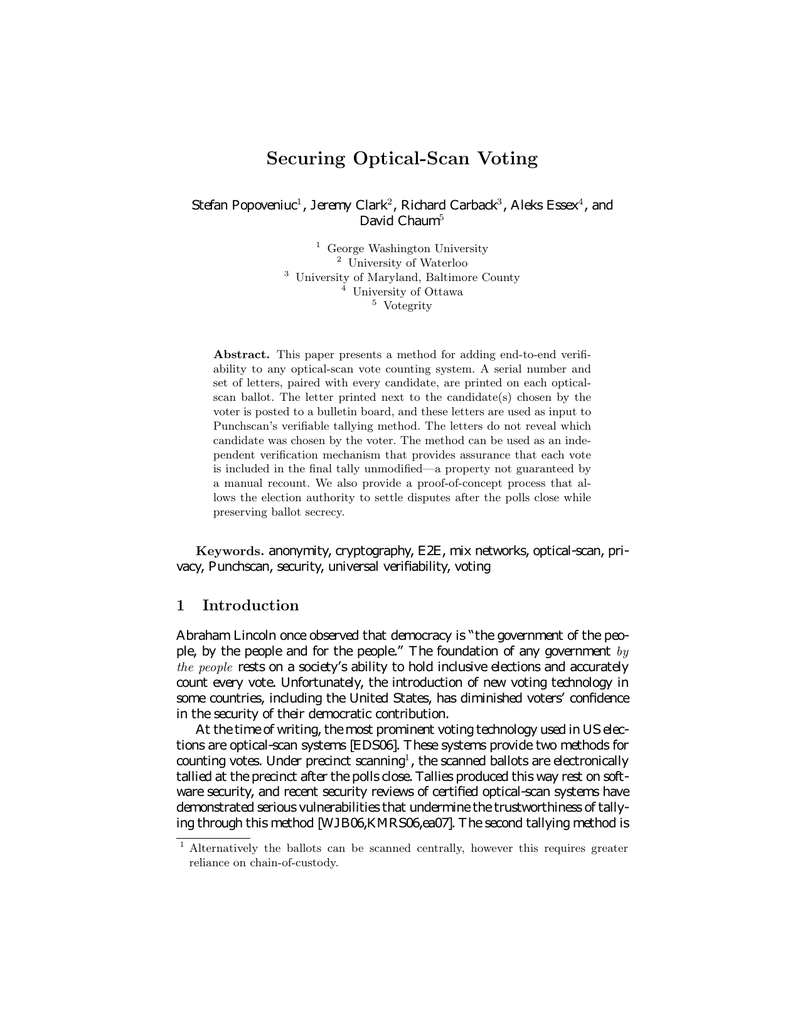
Securing Optical-Scan Voting
Towards Trustworthy Elections: New Directions in Electronic Voting, LNCS 6000, pp. 357–369, Springer (2010)
This research paper presents a method to add end-to-end verifiability to optical-scan voting systems, allowing voters to confirm their vote was counted correctly without revealing who they voted for. The approach involves printing unique symbols next to each candidate on ballots and publishing only the symbol (not the candidate name) after voting, while preserving ballot secrecy and compatibility with existing optical scanners and manual recounts.
Printing Secure Automatic Receipts with Activating Ink
(2009)
This research paper describes a voting system called Scantegrity that uses invisible ink to print secure receipts. These receipts help ensure the security and integrity of a vote without revealing the voter's choice until the ink is activated.

Scantegrity II: End-to-End Verifiability by Voters of Optical Scan Elections Through Confirmation Codes
IEEE Transactions on Information Forensics and Security, vol. 4, no. 4, pp. 611–627 (2009)
Here's a concise summary of the research paper for a general audience: Scantegrity II is an enhancement for paper-based optical scan voting systems that lets voters verify their vote was recorded correctly. Voters use a special pen to mark their ballot, which reveals a hidden confirmation code; these codes are posted online after the election, allowing voters to check them using their ballot's serial number. This system ensures election integrity without compromising ballot secrecy and has been tested in small elections, with plans for broader use.
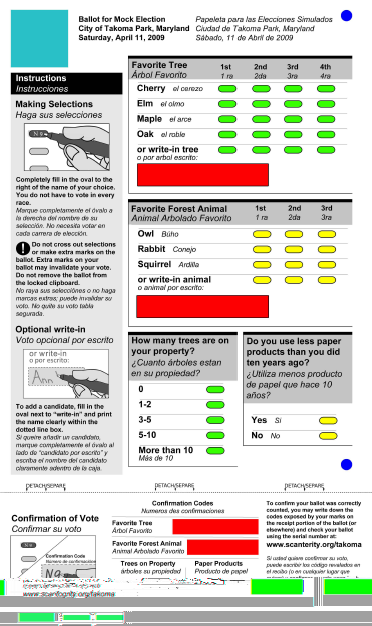
Scantegrity Mock Election at Takoma Park (summary)
NIST Workshop on End-to-End Voting Systems (2009)
Here's a concise summary of the research paper for a general audience: Researchers tested the Scantegrity II voting system in a mock election with 95 voters in Takoma Park, Maryland, to prepare for its use in a real election. The system uses special pens that reveal hidden codes on ballots, allowing voters to verify their votes online later. While the system showed promise for secure voting, feedback revealed the process was too slow and instructions were overly complex, highlighting areas needing improvement before full implementation.
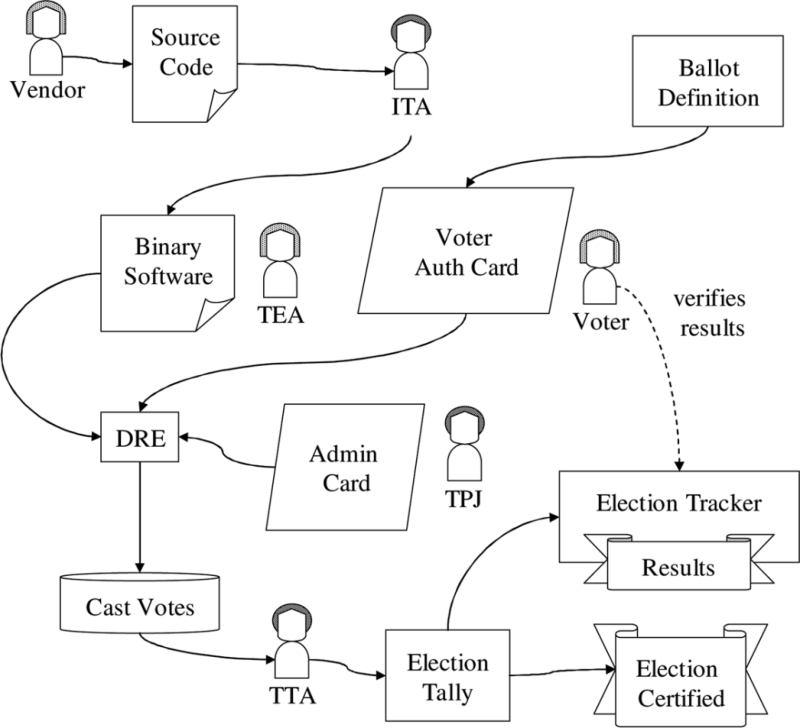
TPM Meets DRE: Reducing the Trust Base for Electronic Voting Using Trusted Platform Modules
IEEE Transactions on Information Forensics and Security, vol. 4, no. 4, pp. 628–637 (2009)
This research paper proposes using trusted hardware called Trusted Platform Modules (TPMs) to improve the security of electronic voting machines. The approach links each voter's choices directly to their ballot using cryptographic signatures managed by the TPM, ensuring data integrity and detecting unauthorized changes or tampering early in the process. By relying on secure hardware rather than potentially vulnerable software, this method reduces the "trusted computing base" needed for secure elections.
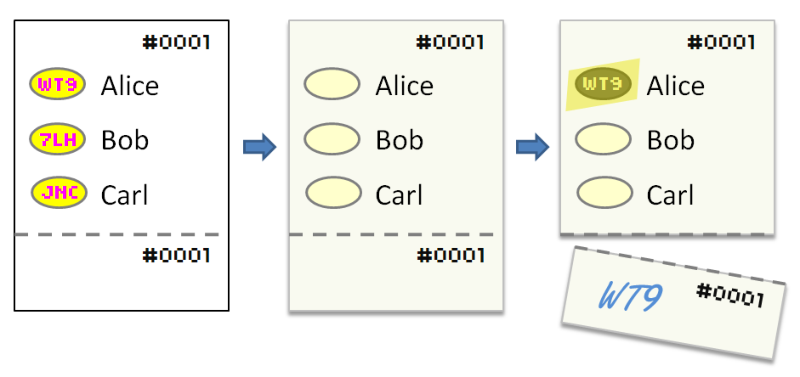
Scantegrity II: End-to-End Verifiability for Optical Scan Election Systems Using Invisible Ink Confirmation Codes
Proceedings of the 2008 USENIX/ACCURATE Electronic Voting Technology Workshop (EVT 2008) (2008)
Here's a concise summary of the research paper for a general audience: Scantegrity II enhances optical scan voting systems by printing hidden confirmation codes on ballots using invisible ink. Voters mark their choices normally with a special pen that reveals these codes, allowing them to privately verify their vote was correctly included in the tally without revealing their choices. The system also enables anyone to audit the final count and improves dispute resolution while preserving voter privacy during manual recounts through the ink's temporary visibility.

Scantegrity: End-to-End Voter Verifiable Optical-Scan Voting
IEEE Security and Privacy Magazine, vol. 6, no. 3, pp. 40–46 (2008)
Here's a concise summary of the Scantegrity research paper for a general audience: Scantegrity is a security enhancement for optical scan voting systems that lets voters independently verify their ballots were correctly recorded and counted, while preserving the familiar way voters mark ballots. It achieves this by adding cryptographic checks and audits to existing optical scan processes, requiring no new equipment or changes to voting procedures, thus restoring confidence in election integrity without disrupting current systems.
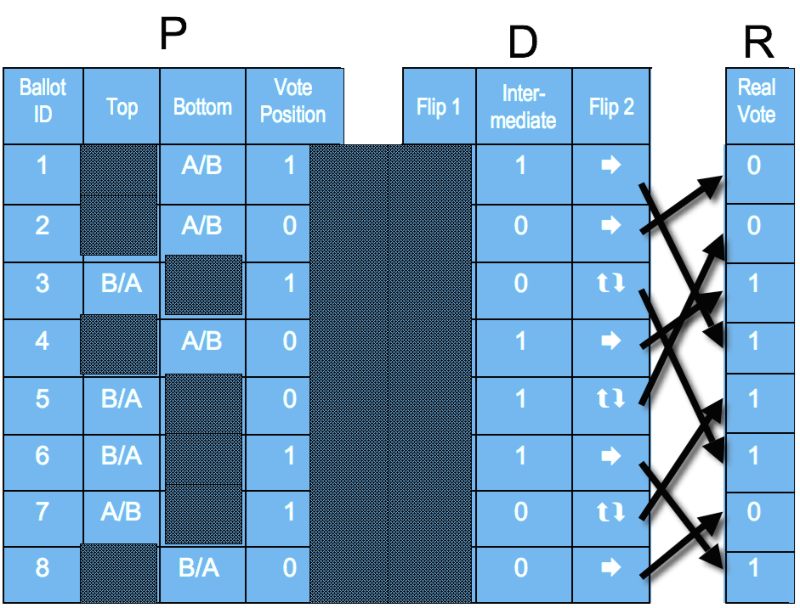
Security Innovations in the Punchscan Voting System
M.S. Thesis, University of Maryland, Baltimore County (2008)
This research paper describes Punchscan, a secure voting system that uses cryptography to let voters verify their votes were counted correctly while keeping their choices secret. It addresses two key privacy vulnerabilities—ballots being seen before voting or a central workstation being compromised—by proposing a trusted workstation requiring multiple independent trustees to operate and a new method for printing ballot layers separately to enhance secrecy. These innovations aim to improve the system's integrity and privacy for real-world elections.
On the Independent Verification of a Punchscan Election
Online Proceedings of the First University Voting Systems Competition (VoComp) (2007)
Here's a concise summary of the research paper for a general audience: Punchscan is a cryptographic voting system designed to ensure election integrity while protecting voter privacy. Voters receive a paper receipt that allows them to independently verify their vote was counted correctly, while the receipt itself doesn't reveal how they voted. The system achieves this through mandatory pre- and post-election public audits and mathematical verification processes, building confidence in results without requiring voters to understand complex cryptography.
Punchscan in Practice: An E2E Election Case Study
Proceedings of the 2007 IAVoSS Workshop on Trustworthy Elections (WOTE 2007) (2007)
This research paper presents a case study of Punchscan, a secure voting system, during its first real-world use in a 2007 university election. The study details how the system worked in practice, including voter and poll worker reactions, and highlights both its potential for improving election integrity and challenges like voter confusion with the marking process. It concludes that while technically successful, further work is needed to make such systems more user-friendly for broader adoption.
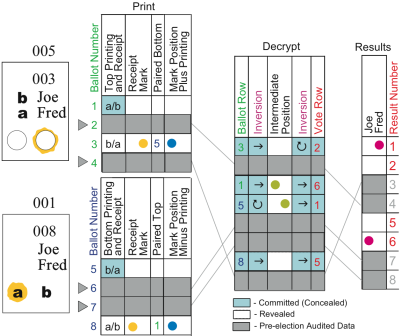
Punchscan with Independent Ballot Sheets: Simplifying Ballot Printing and Distribution with Independently Selected Ballot Halves
Proceedings of the 2007 IAVoSS Workshop on Trustworthy Elections (WOTE 2007) (2007)
This research paper proposes a modified voting system called Punchscan with Independent Ballot Sheets (IBS) that simplifies ballot printing and distribution by allowing voters to combine separately printed ballot halves at the polling place, rather than using pre-matched halves. This change enhances privacy by ensuring ballots are only human-readable when in the voter’s hands and makes it easier to use multiple printers without compromising security. The system maintains voter privacy and election integrity while offering greater flexibility in how ballots are produced and distributed.
The Punchscan Voting System: VoComp competition submission
Online Proceedings of the First University Voting Systems Competition (VoComp) (2007)
Here's a concise summary of the Punchscan voting system research paper for a general audience: Punchscan is an electronic voting system that uses cryptography to ensure votes are counted accurately while keeping them secret. Voters mark a ballot with symbols, destroy one half, and keep the other as a receipt, allowing them to independently verify their vote was counted correctly through a public audit process. The system is low-cost, open-source, and designed to prevent cheating or errors, offering greater transparency and trust than conventional electronic voting methods.
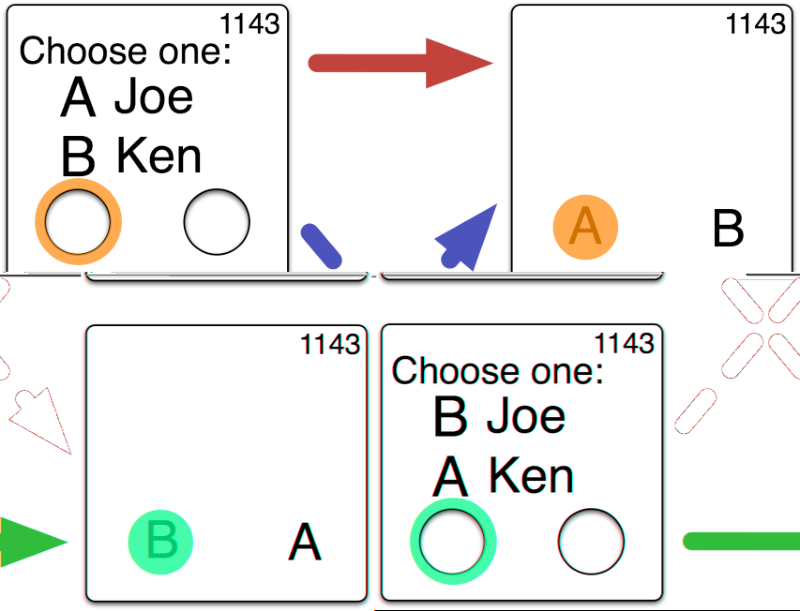
Punchscan: Introduction and System Definition of a High-Integrity Election System
Preproceedings of the 2006 IAVoSS Workshop on Trustworthy Elections (WOTE 2006) (2006)
Here's a concise summary of the Punchscan voting system research paper: Punchscan is a hybrid paper-electronic voting system designed to ensure high voter privacy and election integrity while using familiar paper ballots. Voters mark a two-layer ballot with an ink dauber, separate the layers (keeping one as a receipt), and the other is scanned for secure electronic tabulation via a cryptographic "Punchboard" that decodes votes without revealing individual choices. This approach combines the simplicity of paper voting with verifiable digital security, allowing voters to confirm their vote online while preventing fraud through public audits of encrypted data.